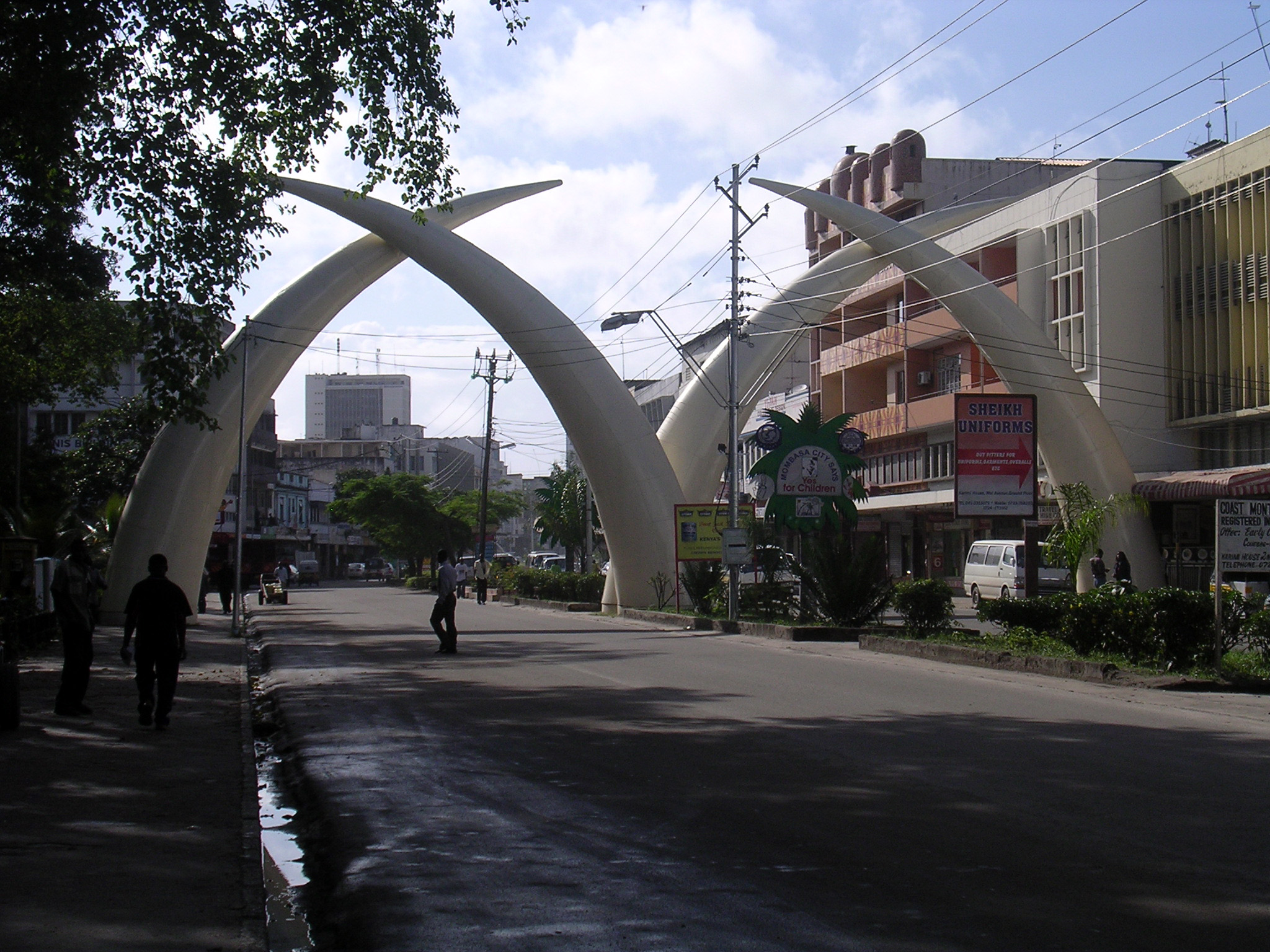
It is early morning when I step into the matatu, its metal frame humming with life, and leave my home base in Mombasa. As the city fades behind me, the road stretches into another world. The pavement gives way to dust, and what was orderly becomes gloriously unpredictable. Cattle wander across our path, unconcerned; traffic moves in waves without discernible rhythm. Along the roadside, firelight flickers where people huddle over charcoal braziers, coaxing the sweetness from yams and the dry chew of mahindi—sweet corn, aged by the sun.
Others, without fare for the matatu, walk in steady lines toward the city, their hope tethered to the resort jobs posted each day on the coastal notice boards. Women pass us in ablaze color—kangas, like banners at a sacred festival—balancing baskets or buckets of water upon their heads, shepherding small children in gentle processions. Each step speaks of strength that does not falter.
When the matatu comes to its last stop on the outskirts of Bamburi, Louisa and I set out on foot, the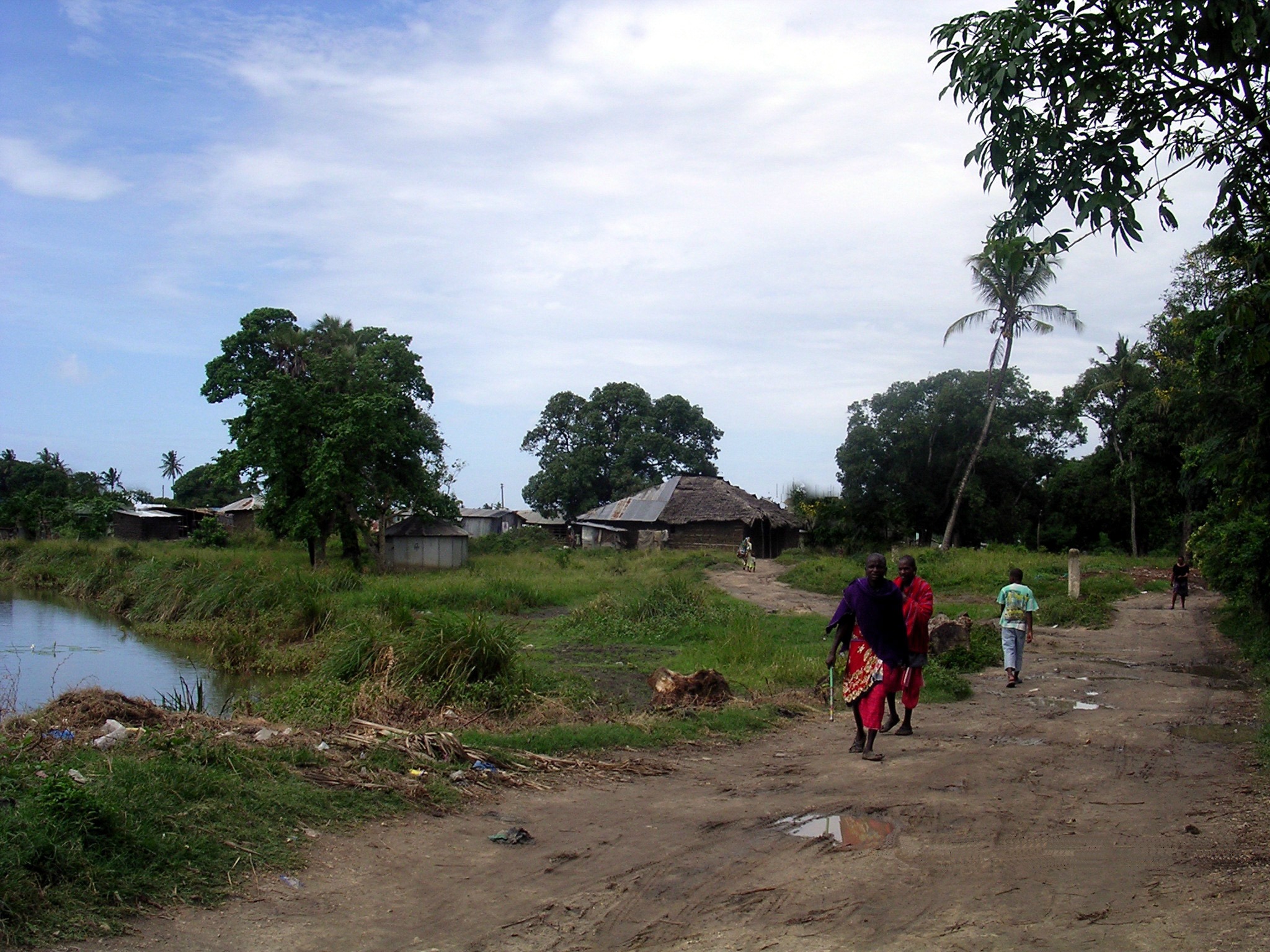 miles stretching beneath the heat. As the comforts I have known peel away, my heart tightens with unease. Louisa, a Londoner whose year in Kenya has been devoted to finding programs in need of helping hands, speaks easily, pointing out a clinic, introducing me to Millie, who will become my source of water for the daily journey. Her voice draws me forward, even as the road narrows.
At last, the path to Restoration Orphanage opens before us, and I am halted by the sight—a mud hut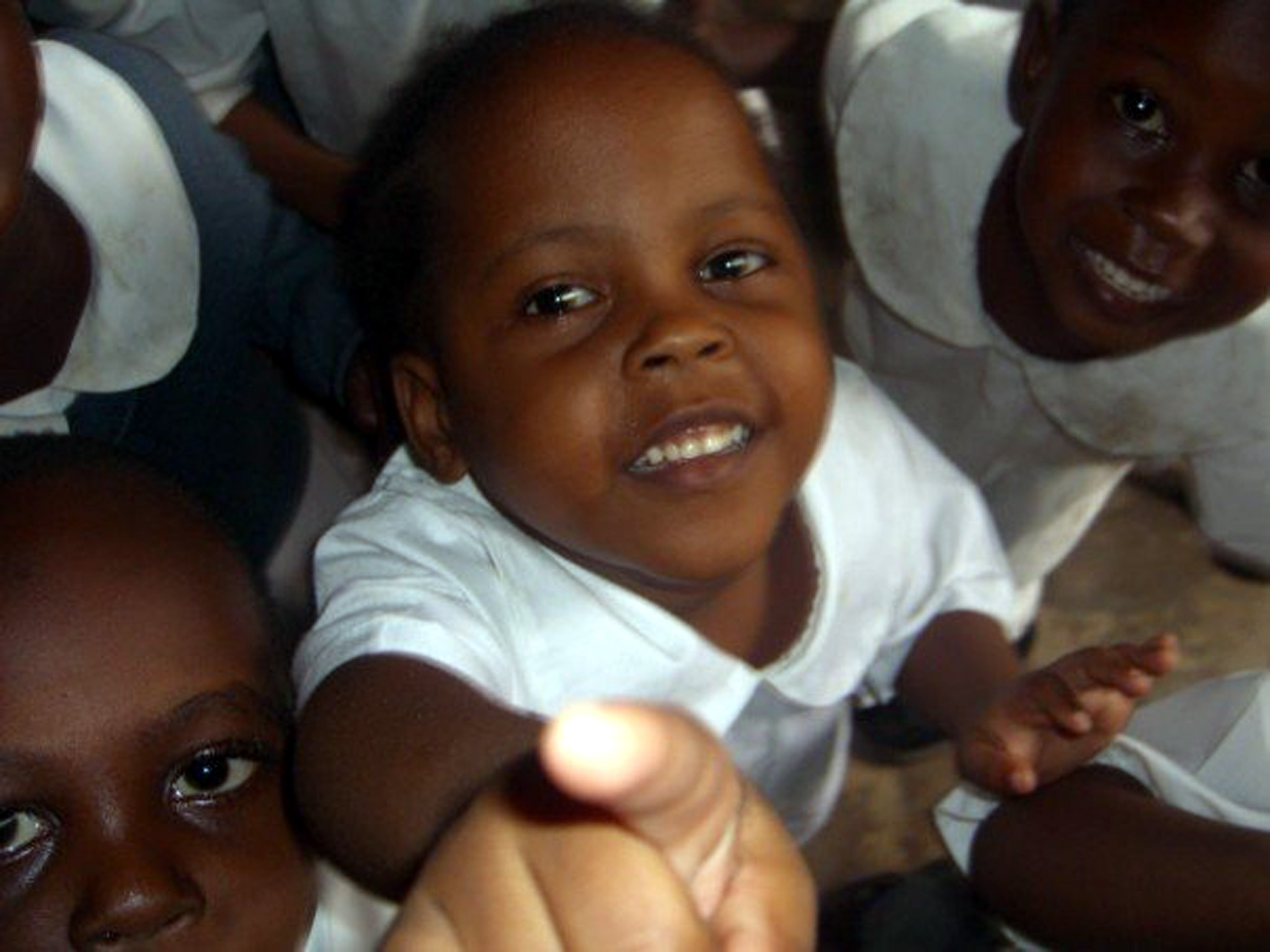 spilling forth children in a joyous tide. They run, the earth kicking up at their heels, laughter ricocheting in the air, circling me in an embrace of pure curiosity. Their gaze sharpens when they glimpse the small gold crown on one of my back teeth. Amazement erupts; their pointing fingers become gentle yet insistent hands, pulling back my lips for a better look at what to them is a marvel. In that moment, any hesitation dissolves. I will love them.
Louisa leads me to Pastor James—a young, slight man whose presence is all command and intention. His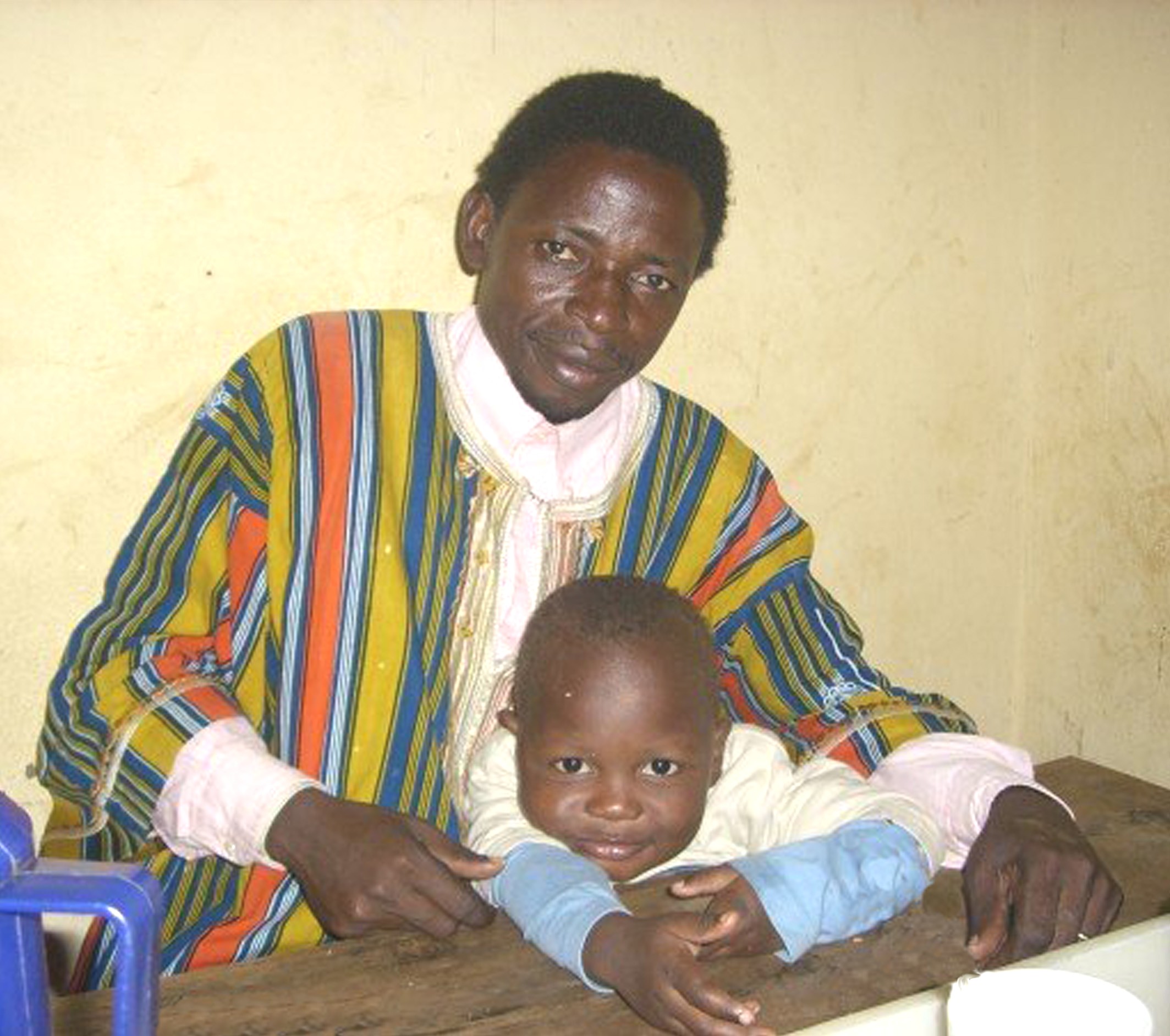 words come quickly, layered with timelines and visions for the school we have yet to build. I feel the weight of his urgency. Beside him stands Madame Margaret, his wife—a woman whose quiet strength settles like shade beneath a tree. Her English is sparse, but her eyes speak warmly to me and to the children, bridging the silence between our languages. One speaks with a sharpened clarity; the other speaks with gentleness. Together, they shepherd this place.
Soon Louisa must leave, the other orphanages calling her back. Panic coils in my stomach as I walk with her to the pond’s edge. My thoughts spill—the tangled streets that still confound me, the enormity of the need, the feeling that I am far too small for the task. Louisa listens without interruption, then offers only this: “Restoration is yours now. You will find your way.” She turns, a cluster of children following her down the narrow path, their voices trailing like birdsong.
As dusk gathers, some of the children walk me to the road for my ride back to Mombasa. Darkness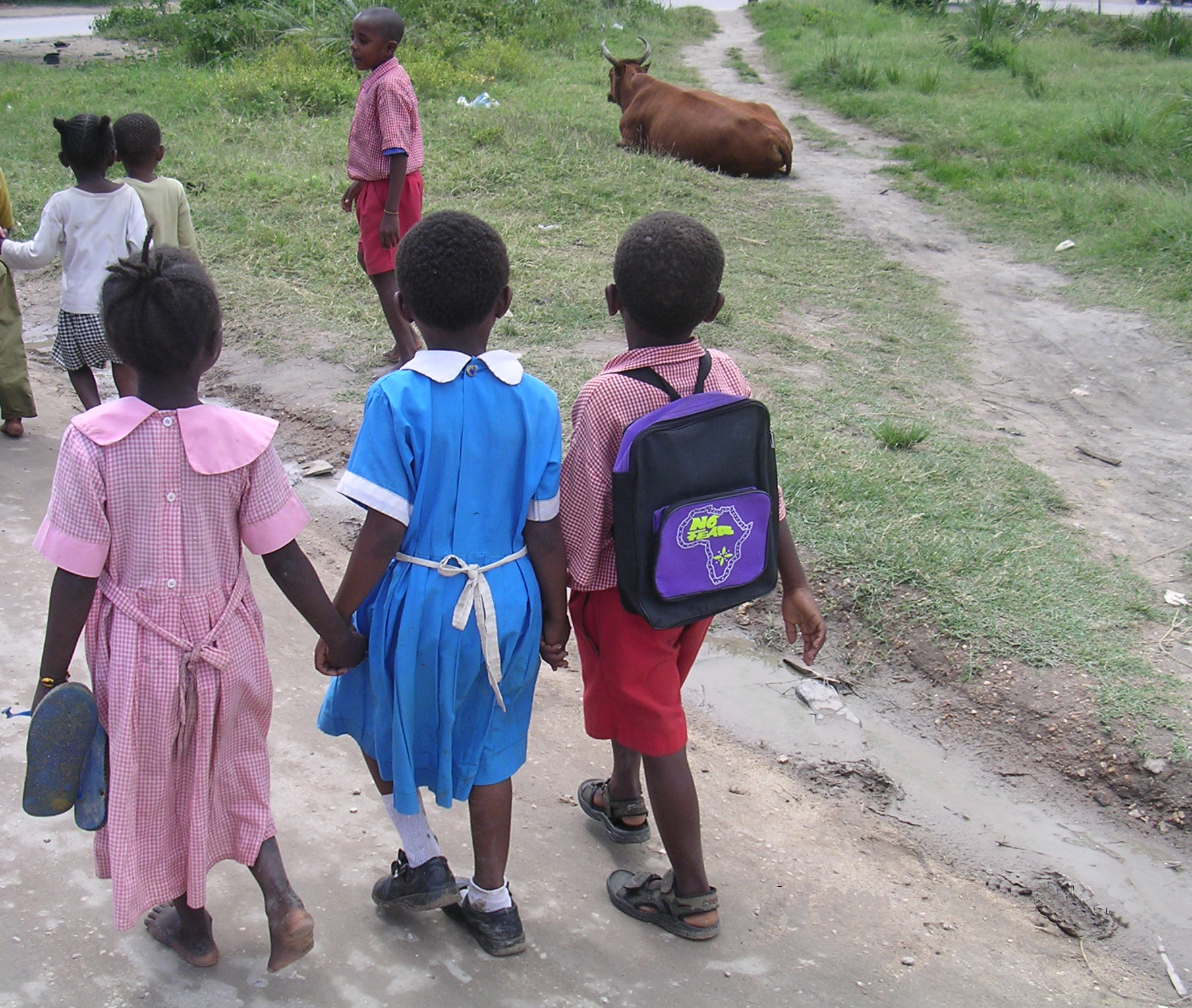 approaches, and I worry for them, but they seem untroubled—it is the nature of children here to carry their independence with grace. At the matatu stop, a gentleman offers his seat, and I watch the familiar shapes of the city return. My body aches, but my spirit hums in quiet prayer. The last light slides from the sky as the call to worship unfurls from the minarets, weaving through streets scented with stews heavy with spice and the rich char of goat’s meat.
Africa, I am learning, speaks in textures—in the rough grit of its roads, in the vivid brush of its fabrics, in the warm eyes of children who call you to lean into the work, even when you feel small. And here, faith does not simply grow; it takes root in the red earth and will not be uprooted.
Continue to Rainy Days
 In My Words