
Bamburi.
A small dot on the wide canvas of the globe. A place that—by the measures of the world I had known— had so little to offer. It could not boast gleaming towers or bustling boulevards, designer storefronts or climate-controlled sanctuaries.
And yet, Bamburi held a wealth far greater than anything I had ever stepped inside before. Here, life pulsed not in what could be purchased, but in the very currency of the heart: love poured without restraint, laughter spilled and shared, an exuberance for simple joys as boundless as the sky over the Indian Ocean.
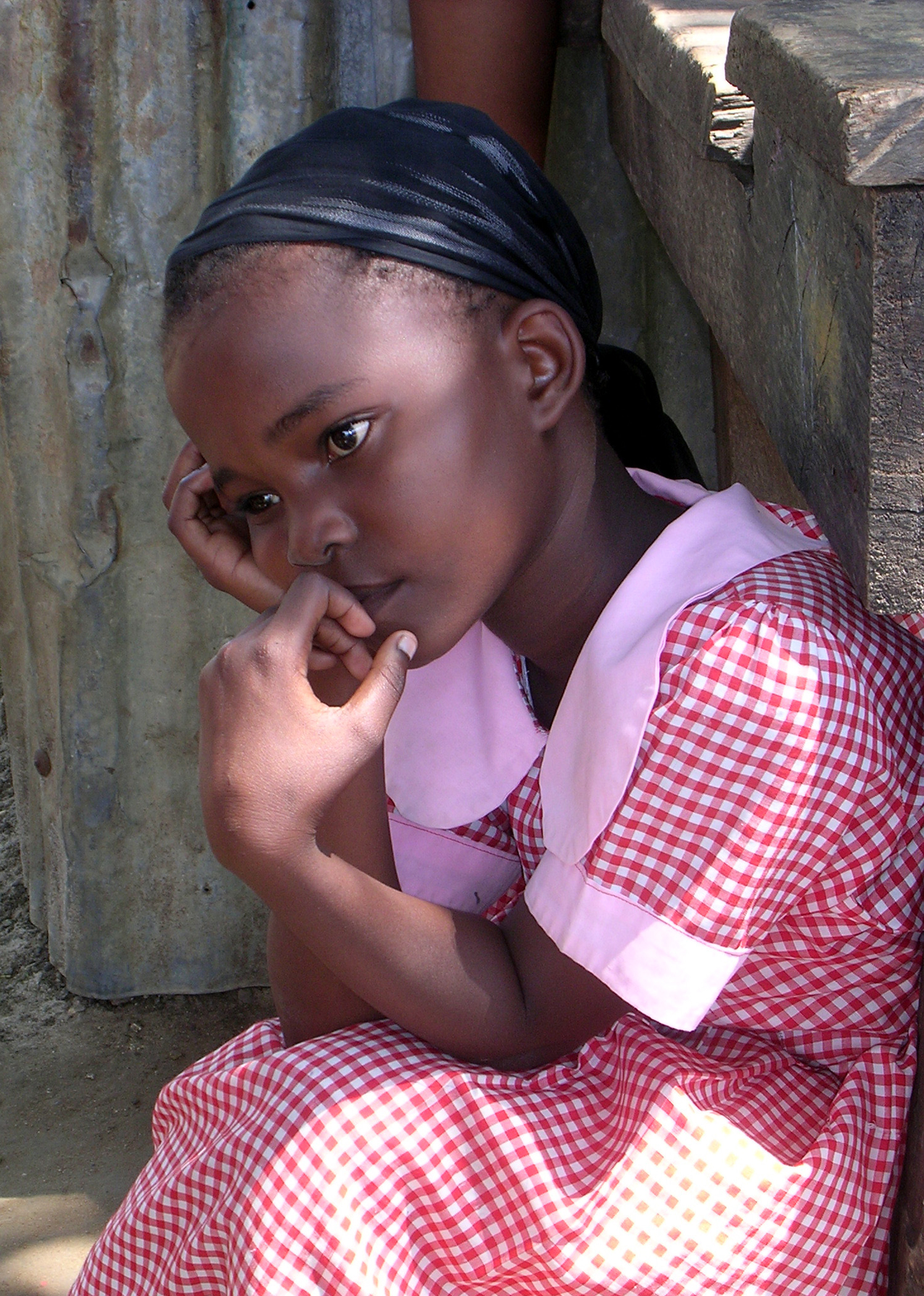
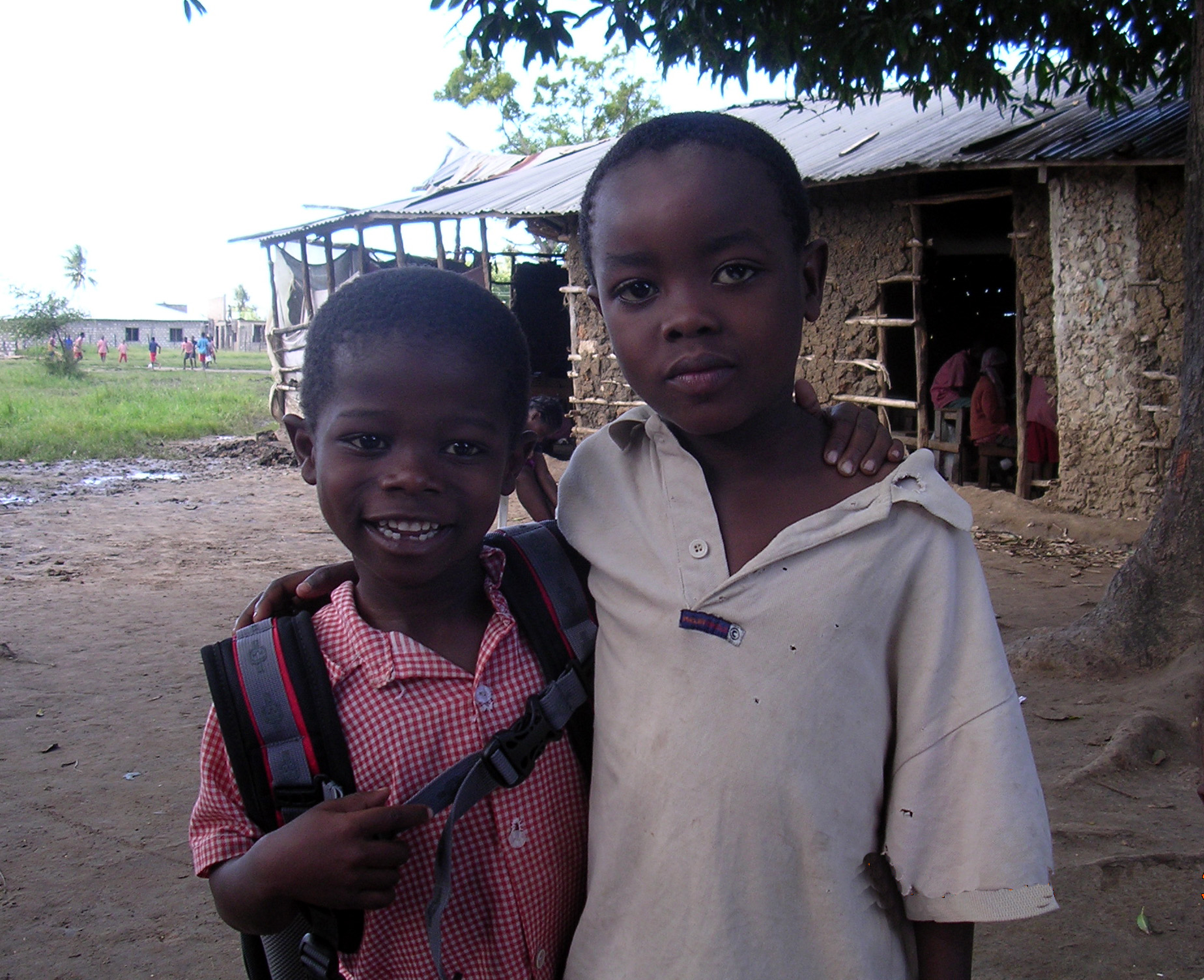
At Restoration Orphanage and School, I met children whose eyes held both the ache of loss and the light of resilience. As orphans, many had been robbed of things my world takes for granted—new clothing that fits and flatters, meals that are steady and varied, the tender permanence of one’s own bed. Some were even robbed of their names and their birthdays—details assigned to them in the ledger on the day they first stood at the orphanage gates, their beginning rewritten in ink when no one else had recorded it in blood, bone, or memory.
And yet, somehow, in a grace I cannot fully name, they had not been robbed of their joy. They ran barefoot and unburdened in the schoolyard, invented games from scraps, sang until their voices were light as birdsong. Some clung tightly to my hand as if to anchor themselves to the moment; others looked steadily, perhaps searching me for the same assurance they carried in themselves—that life will still give when so much has been taken.
In this place, I learned to measure wealth by spirit, not possession. Pastor James, with his listening ear and fierce devotion, and Madame Margeret, with her gentle authority and unyielding nurture, walked among these children not as distant overseers, but as parents multiplied a hundredfold. Their faith stood like a steadfast acacia tree, spreading shade over every soul within reach. They possessed a wisdom not borrowed from books, but borne from days when perseverance was the only option. To watch them serve was to glimpse the heart of God revealed in human form—undaunted, self-giving, constant.
When I was a little girl in the second grade, my dream was to “save Africa”—naïve in its simplicity, noble perhaps in its intent. But here, in Bamburi, I came to know a truth I will carry for the rest of my days: it was Africa, in so many ways, that saved me.
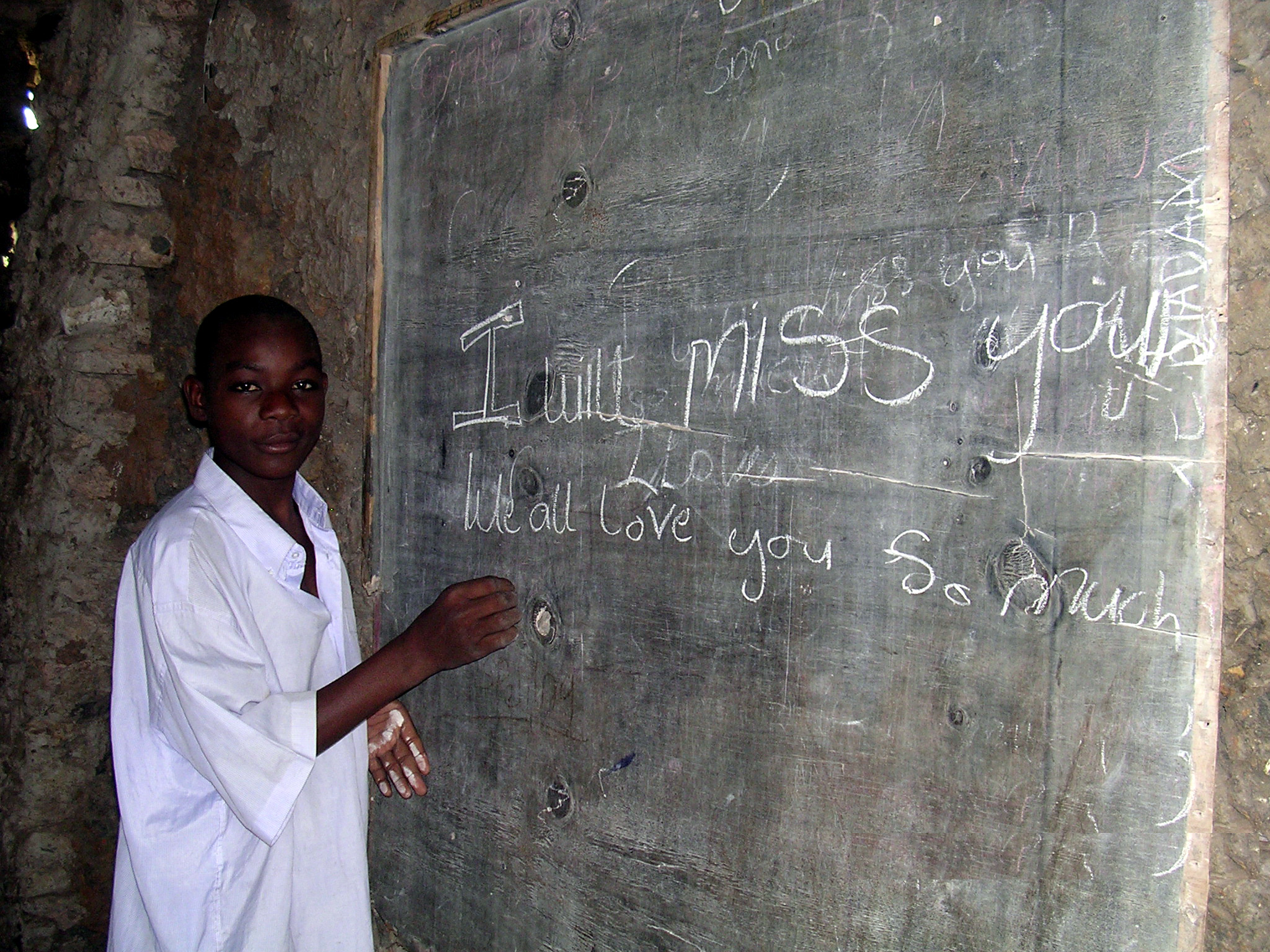
It saved me from the smallness of my own vision. It saved me from mistaking abundance for joy, and wealth for worth. It taught me to trust life when it comes in unexpected packages, to listen for wisdom born of struggle, to see beauty where the world might overlook it. This time in Kenya has deepened my faith, opened my heart, and anchored my resolve that we, as a human family, can—and must—do better. We are called to tend, to protect, to lift up the needs of our brothers and sisters wherever in the world they cry out.
I leave here changed. Not from the work I came to do, but from the people who worked love into my heart.
Kwaheri, marafiki. Ninaacha upendo wangu.
Goodbye, friends. I leave my love.
 In My Words