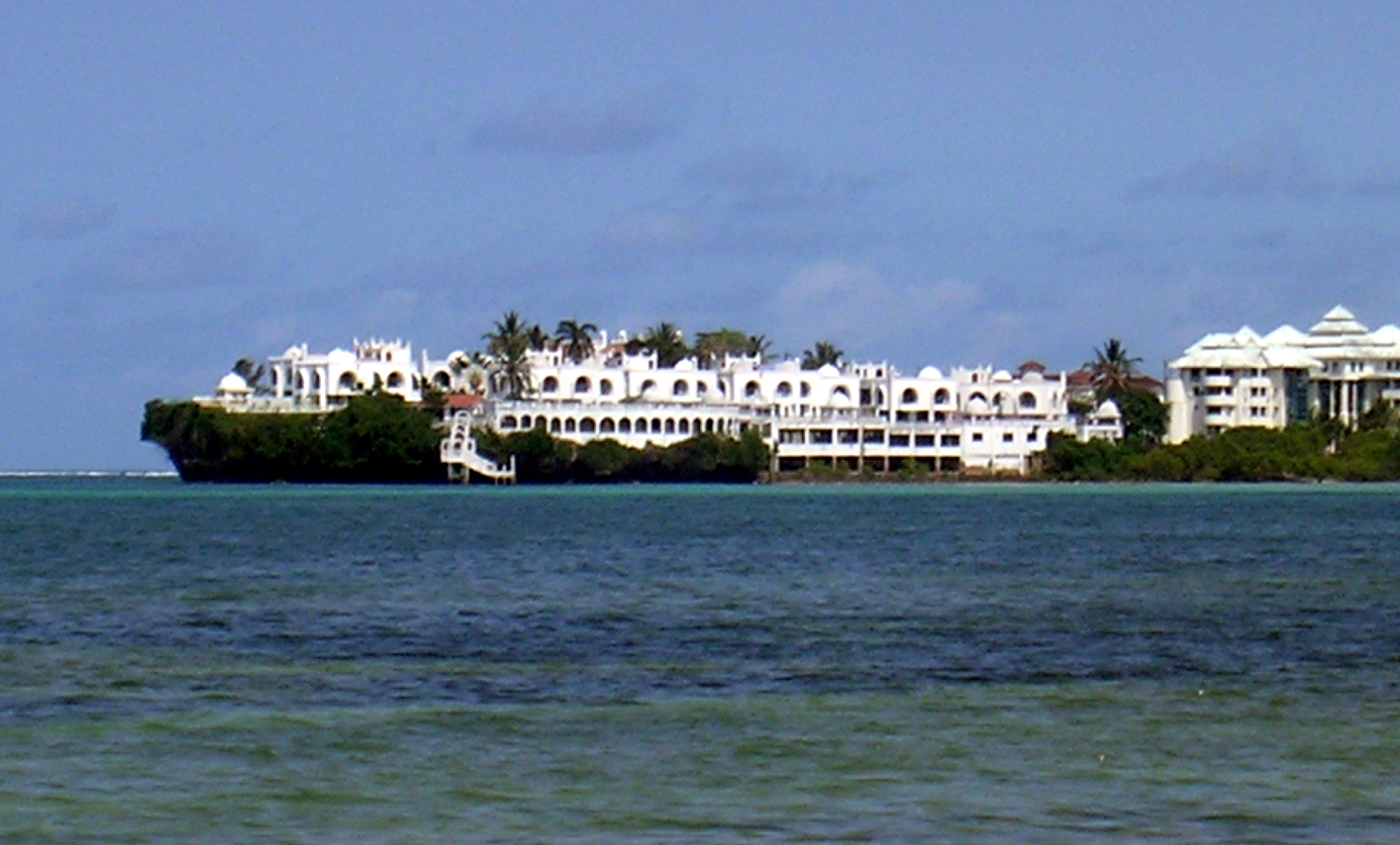
There are miles of beaches unfurling like ribbons along Mombasa’s coastlines—broad, white sweeps of sand where the sea exhales against the shore. From the Restoration drop-off point, the nearest stretch is less than a ten–minute ride by matatu. On paper, local ordinances declare every beach to be public; in practice, high walls and heavy gates tell another story. Luxury resorts and hotels have purchased up the land at every entry point, leaving passage only to those who can purchase a day pass—a $50 sum far out of reach for most. Only Kenyatta Municipal Beach, on the northern coast, remains openly and unquestionably for the people.
With the strain of government testing now behind us, the time had come to fulfill a promise we had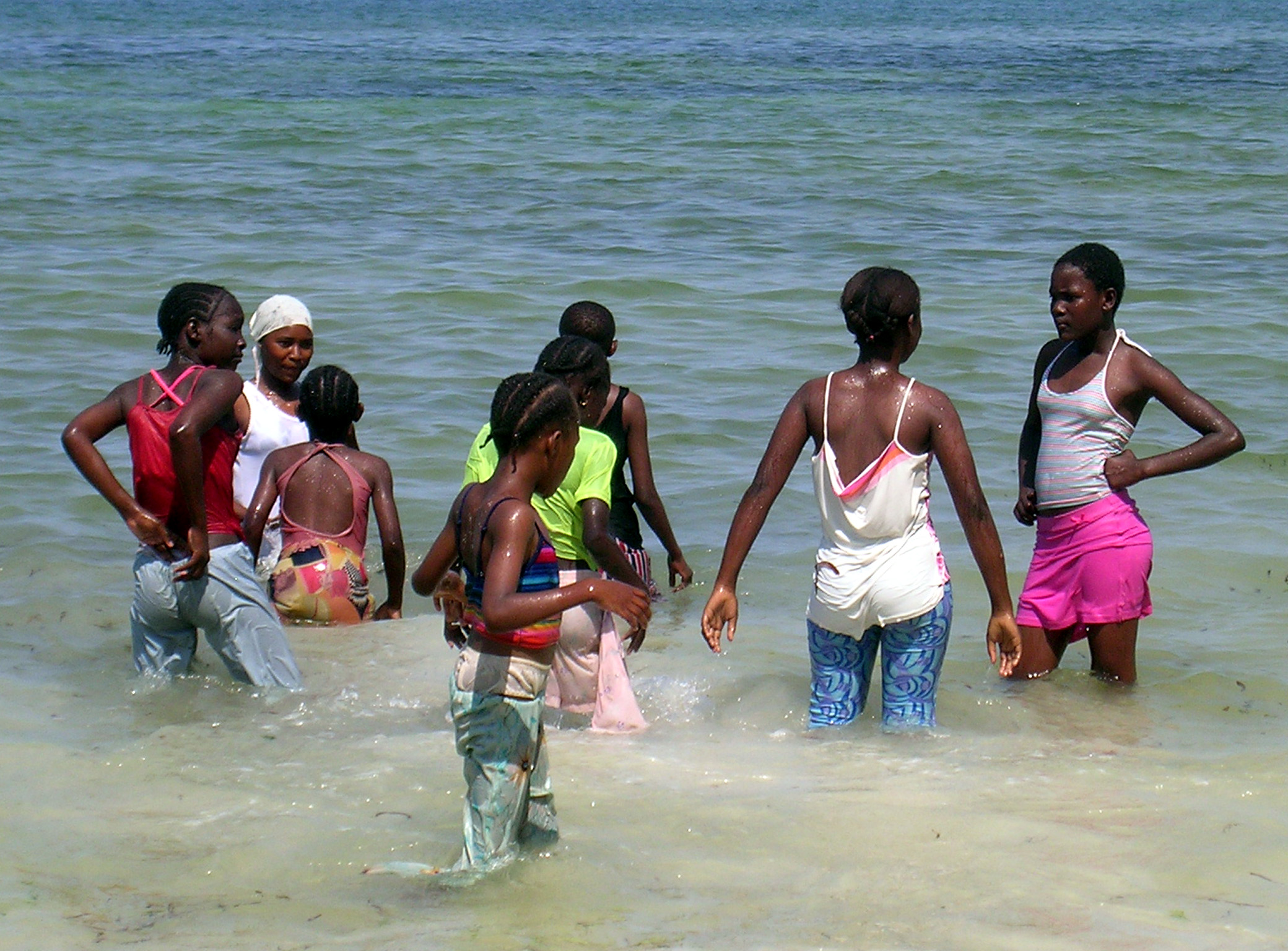 dangled like a bright thread before the children: a trip to the ocean. The news set the school abuzz. We could not take them all at once—few of our students could swim—so we planned four groups over two days. Those not by the water would stay behind preparing for Community Asante Sana Day, our thanksgiving to honor the neighbors, friends, and parents who have blessed the school with time, talent, or trust.
I was glad to set aside the weight of grading to join Anita, Lisa, Robert, and the wide-eyed students of Standards 3 and 4. Ahead of time, I had haggled in the market on Moi Avenue for bright rubber balls—simple treasures for our day by the sea. We made the walk to the road in record time, buoyed by expectation.
Moses and his friend—two matatu drivers we’d come to know—waited to ferry us. Thirty-nine children,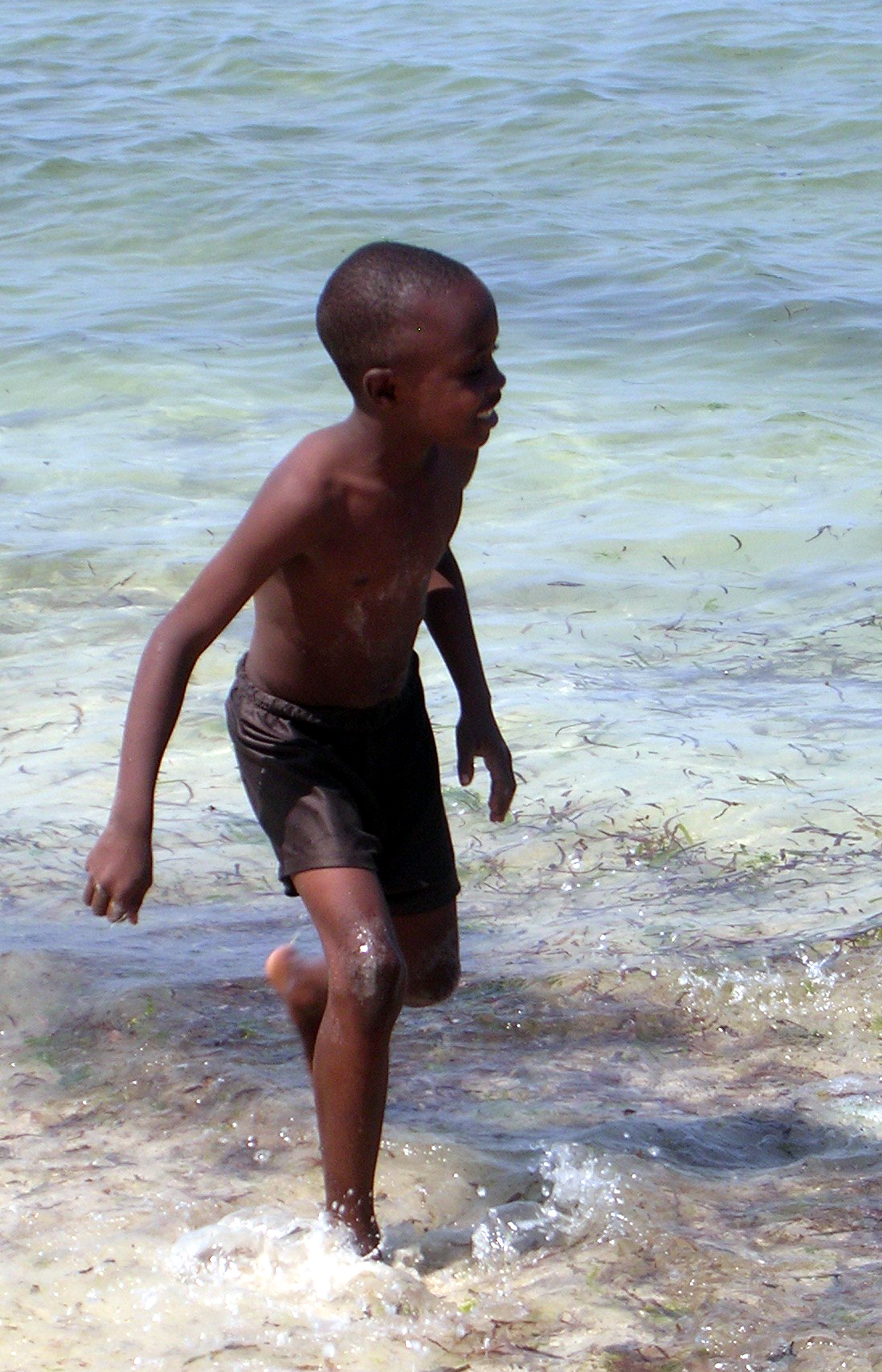 four volunteers, two conductors, and the drivers themselves all folded into the two vans like a living puzzle. Even the crush of bodies could not stifle the children’s anticipation.
And then, we arrived.
To watch a child see the Indian Ocean for the first time is to behold pure wonder distilled in living form. They tumbled out onto the sand—eyes huge, arms flung wide—as if they could wrap the horizon into their grasp.
The sea had pulled back by the time we arrived, laying bare a great plain of sand to run upon. We gathered the children long enough to lay down rules: no deeper than the waist, whistle for buddy checks. Then they scattered—splashing, laughing, chasing each other into waves that curled like thin ribbons over the shore.
The water was warm, almost bath-like, but their joy was unbothered. The air was thick with salt and the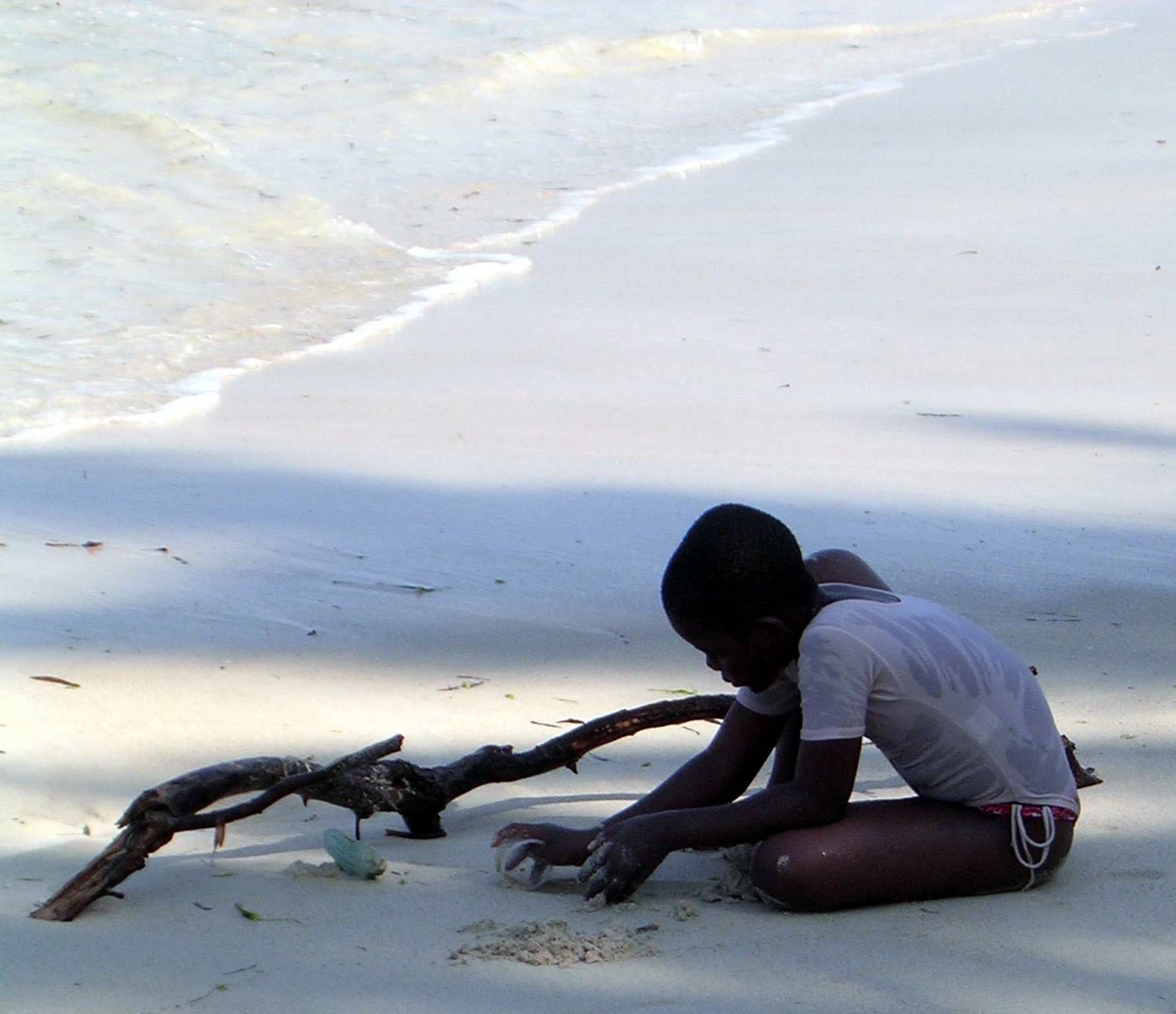 high, clear notes of their laughter. We set a small refuge under the fringe of coconut palms—juice and biscuits for the ones who needed a moment to catch their breath.
While the children leapt and played, the rest of us sank into the cocooned shade. Conversation turned again to the school’s future. It always does when the volunteers gather, unprompted. Each time, my heart swells to see these young people—who have paid their own way here, given up time they might have spent on themselves—probing the question of what more can be done. Their generosity refuses to stop at what they have already given.
In those moments, I feel my faith broaden and steady, like a tree rooting itself deeper in good soil. I thank God for this next generation—proof that selflessness still moves in the world like living water.
All too soon, the tide turned inward, curling close to where we sat, and the sun’s late-gold light slid toward evening. We called the children in, briny and beaming, and made our way to the road. On the ride back, Standard 3 practiced their songs for Friday’s celebration—again and again sending “He’s Got the Whole World in His Hands” and “Jambo, Jambo” out into the dusk. By the last chorus, even Moses was singing.
And in that cramped matatu, rumbling away from the sea, I thought how God must delight in the sound: salt still clinging to the skin, voices rising from the young and the willing, carrying joy home through the Kenyan twilight.
Continue to Asante Sana.
 In My Words