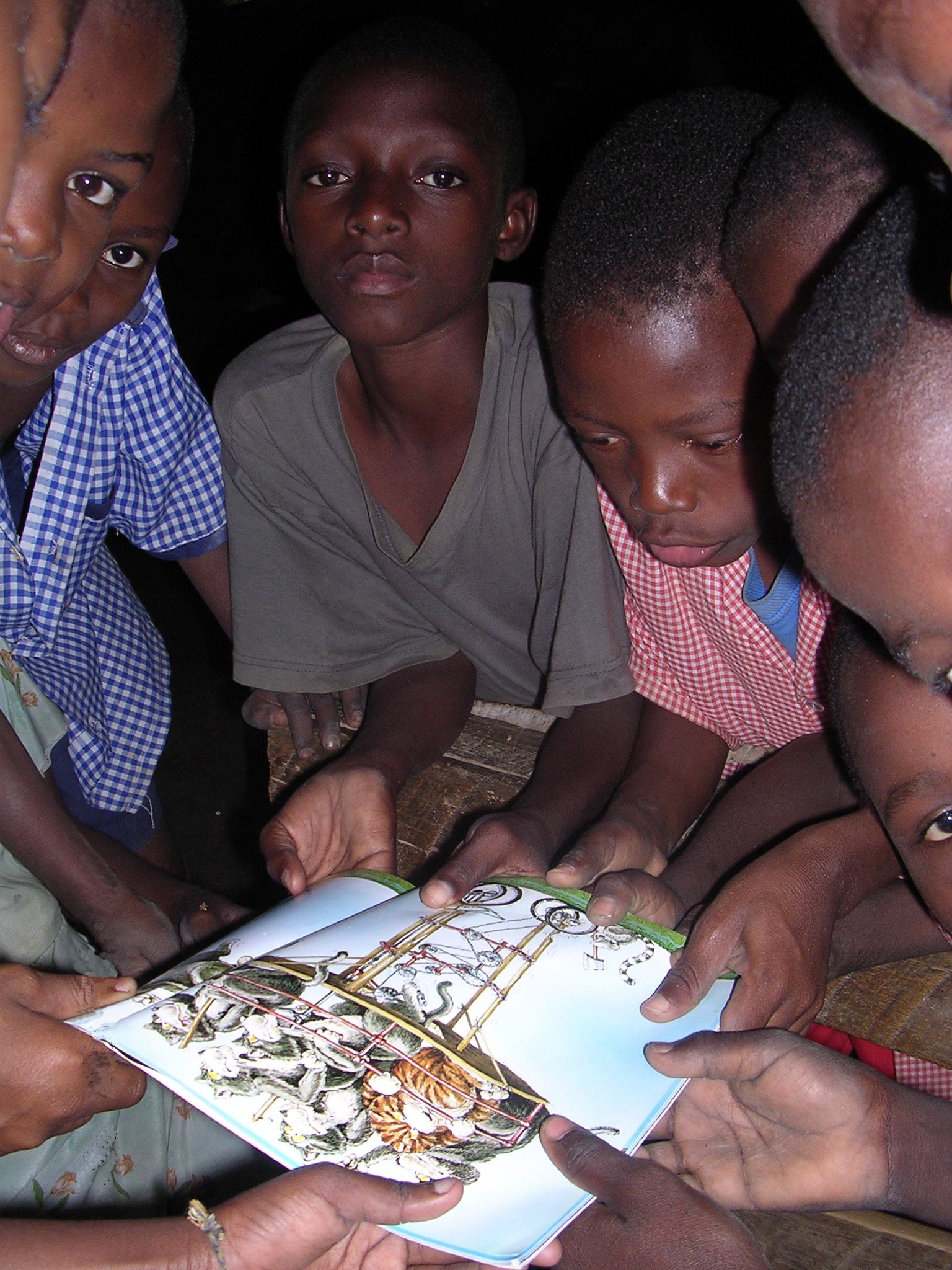
The morning began with the rustle of anticipation. Bright new textbooks were laid in the hands of the children, their spines still stiff, their pages smelling faintly of ink and promise. Instantly, the quiet hut erupted into motion—pages turning like sudden wings, children darting from one desk to another to marvel at photographs, to point, to laugh, to share. The air was thick with the contagious hum of discovery.
In the midst of this joy came a sharp tear. One book, caught in the tug of competing hands, was ripped in two—a wound in the clean, new order.
The report traveled faster than I could think. A knot of small messengers slipped out the doorway toward Pastor James, even as the excitement still swirled in the hut. Moments later, his slight frame appeared at the threshold, his presence shifting the atmosphere. Silence spread instantly, settling into corners like dust. His command was clipped: “To the assembly.”
The children gathered under the mango tree, whose green canopy poured shade over the sandy earth. In one hand, Pastor carried a cane freshly stripped from the ogombi, its green skin still damp. He paced as he spoke in Swahili, the tapping of the cane against his leg marking the cadence. His voice rose—then rose again—to a ringing call of one name: Calvish.
The boy, perhaps eleven or twelve, stepped forward through the brittle silence and embraced the trunk of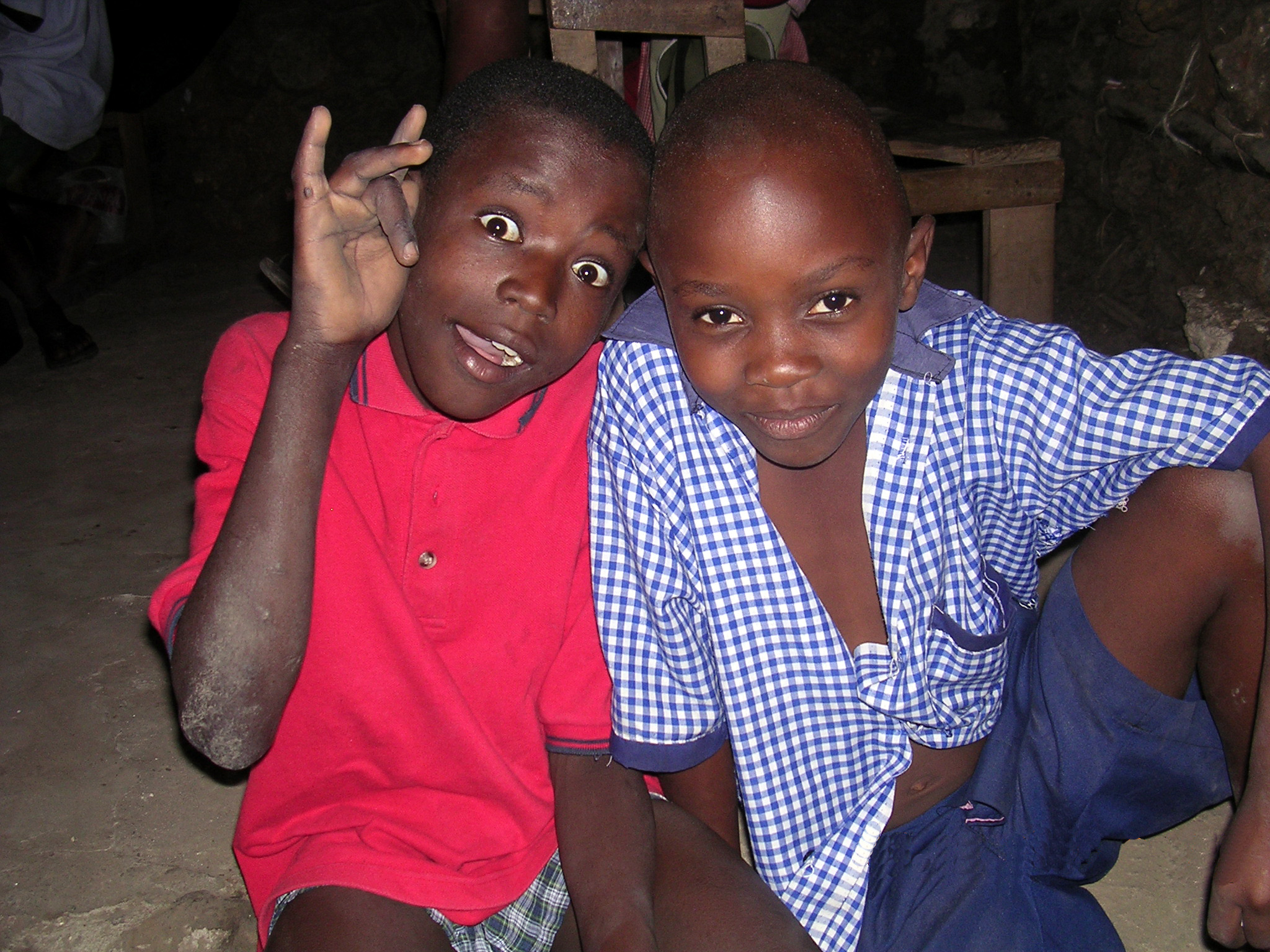 the mango tree as instructed. The cane’s sturdy strokes landed across his back; no words followed. Pastor turned on his heel and walked toward the orphanage. Madame Margaret sent Calvish home. The rest of the children returned to the hut, where the day’s lessons picked up their thread as though the fabric had not been torn.
My own composure was harder to reclaim. I had been swept into the children’s elation that morning, unguarded and free—only to watch its light snuffed out under this tree. Anger rose, first at my own naïve exuberance, then at Pastor James for the public sharpness of his correction. By lunch, I no longer sought understanding. Robert listened quietly to my words against the discipline, only to answer softly, “Appropriate action was required and taken.”
It is at moments like this that I am reminded—just when I begin to feel at home—that I remain a foreigner here.
The afternoon unfolded with a different spirit. Mwanamani had sent for older boys from the orphanage,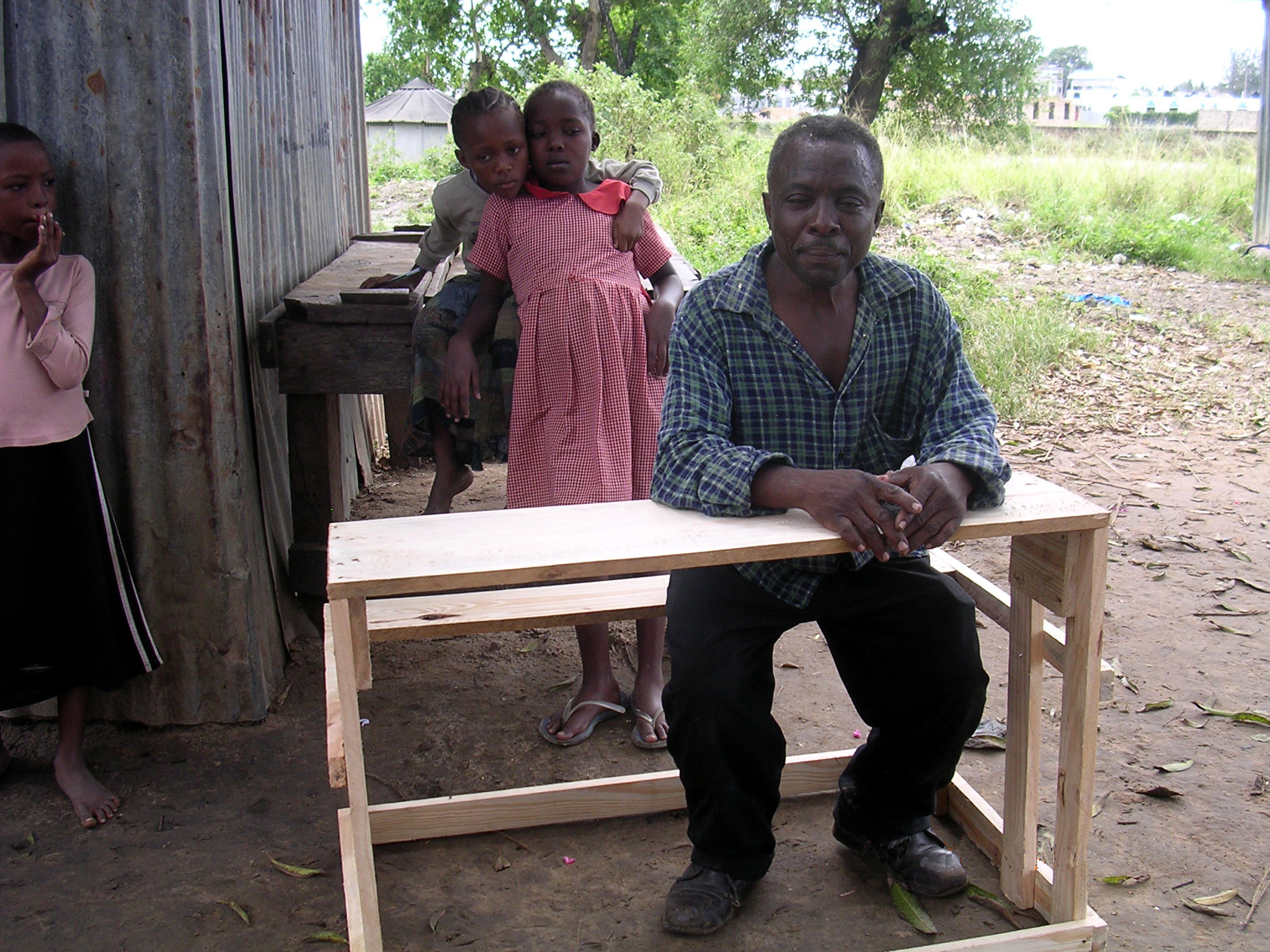 and soon they appeared along the path in a slow parade, carrying desks upon their shoulders. Children spilled out of the hut again, not with chaos this time, but with a watchful excitement.
One by one the desks were set beneath the mango tree, forming neat rows of polished wood and metal. Each new arrival was claimed immediately by eager students. Four benches followed, then two long tables for the youngest pupils, staged at the front by Madame Margaret. At last came the blackboard frames—and Pastor James.
This time his hands framed his chin, his voice clothed itself in its usual gentleness:
“We are a very blessed people. We have a school that is changing all the time for the better. We now have teachers to help our learning. We have books to help our learning. And look, we have desks making it easy for all to come and see that we value our learning. All the time, we must change for the better, children. All the time we must remember to show God how we value His blessings.”
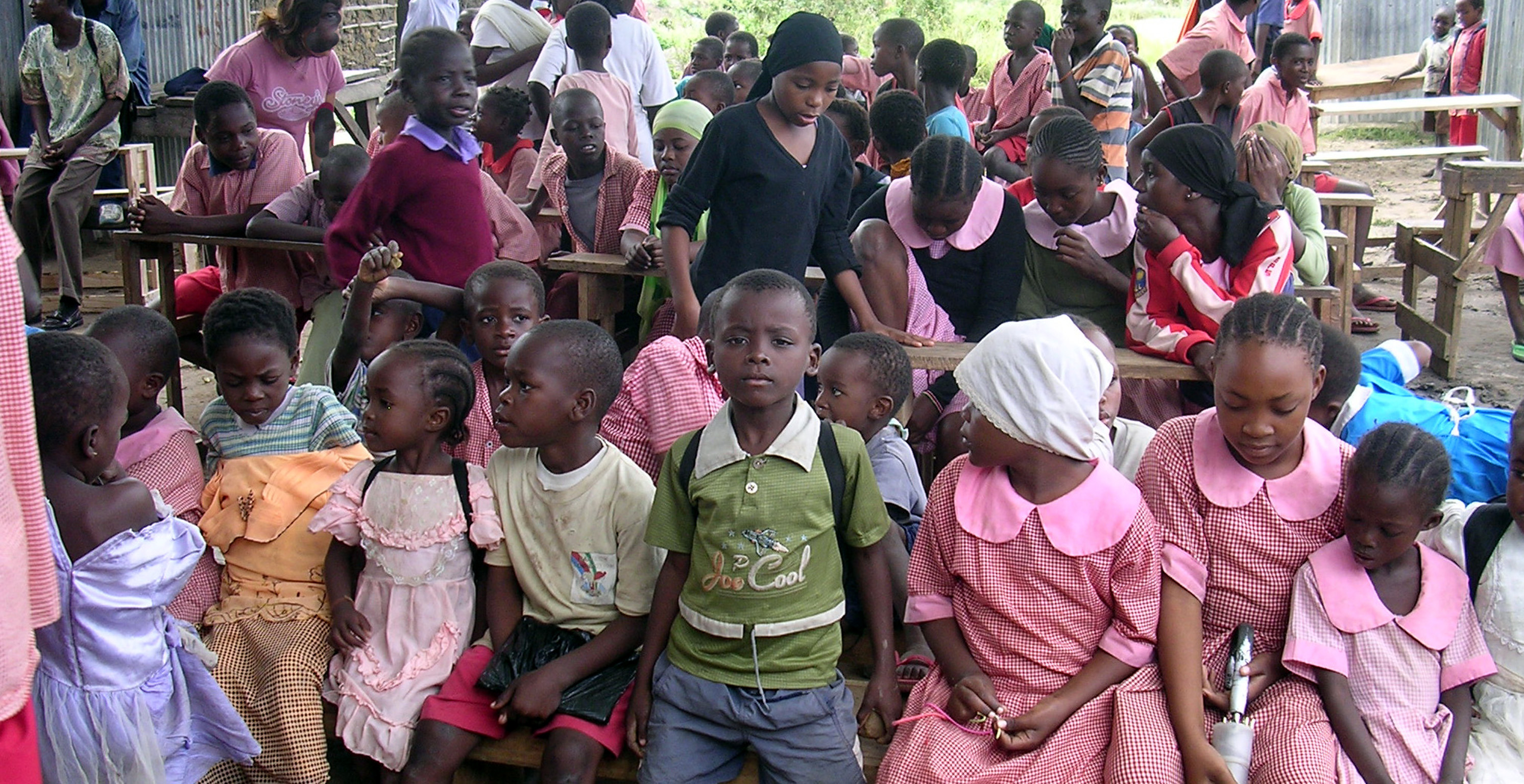
The mango tree’s shade had witnessed both the sharp discipline of the morning and the grateful celebration of the afternoon. I could not miss the truth: blessings here do not come as smooth, unbroken arcs. They arrive braided—interweaving correction, resilience, and gratitude—all held beneath the same wide branches.
Continue to To the Beach.
 In My Words