When I arrived at the school today, Pastor James stood in sharp conversation with a local official—her lap heavy with envelopes of standardized tests. His voice carried its own strong rhythm, each phrase punctuated by the brief, emphatic sweep of his hands.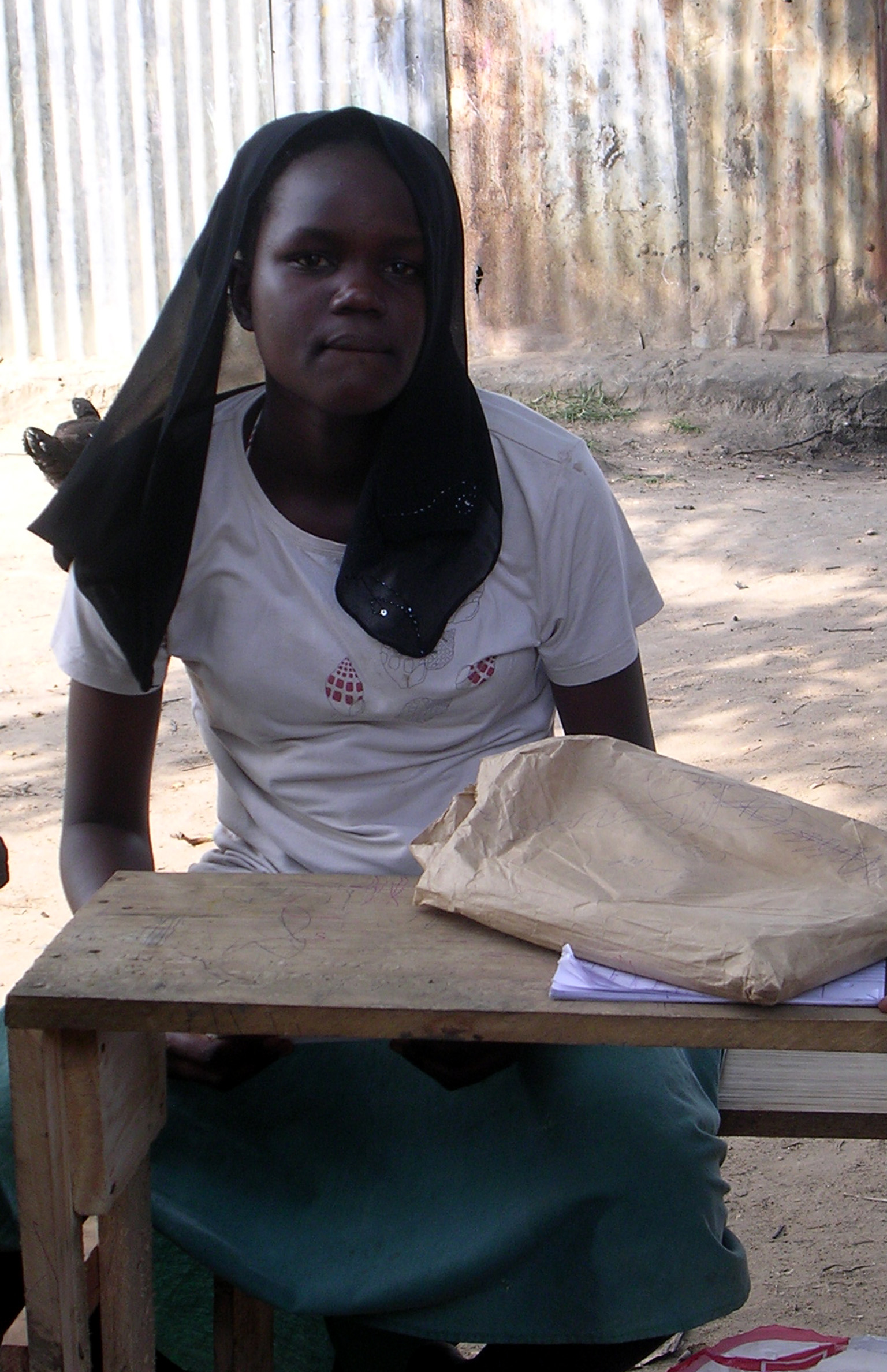
“Enough! Enough!” he said. “I have no time for arguments. The assembly must begin.”
The official simply replied, “I will wait.”
Beneath the mango tree, whose branches weighed down with fruit offering a cool mottling of shade, the morning check-in began. Pastor James spoke the traditional greeting—those words a chord that pulls every child into harmony—and prayed over their day. The hygiene inspection followed with quiet efficiency. Then, he beckoned the children to meet the visitor.
“As she looks around, she can see that we have very little,” he said, his eyes fixed on the official. “We are a poor school filled with poor orphans. But she can also see that you are bright children—good at your lessons, full of promise.”
He asked them to applaud her generosity in bringing “the required tests… five tests for each child.”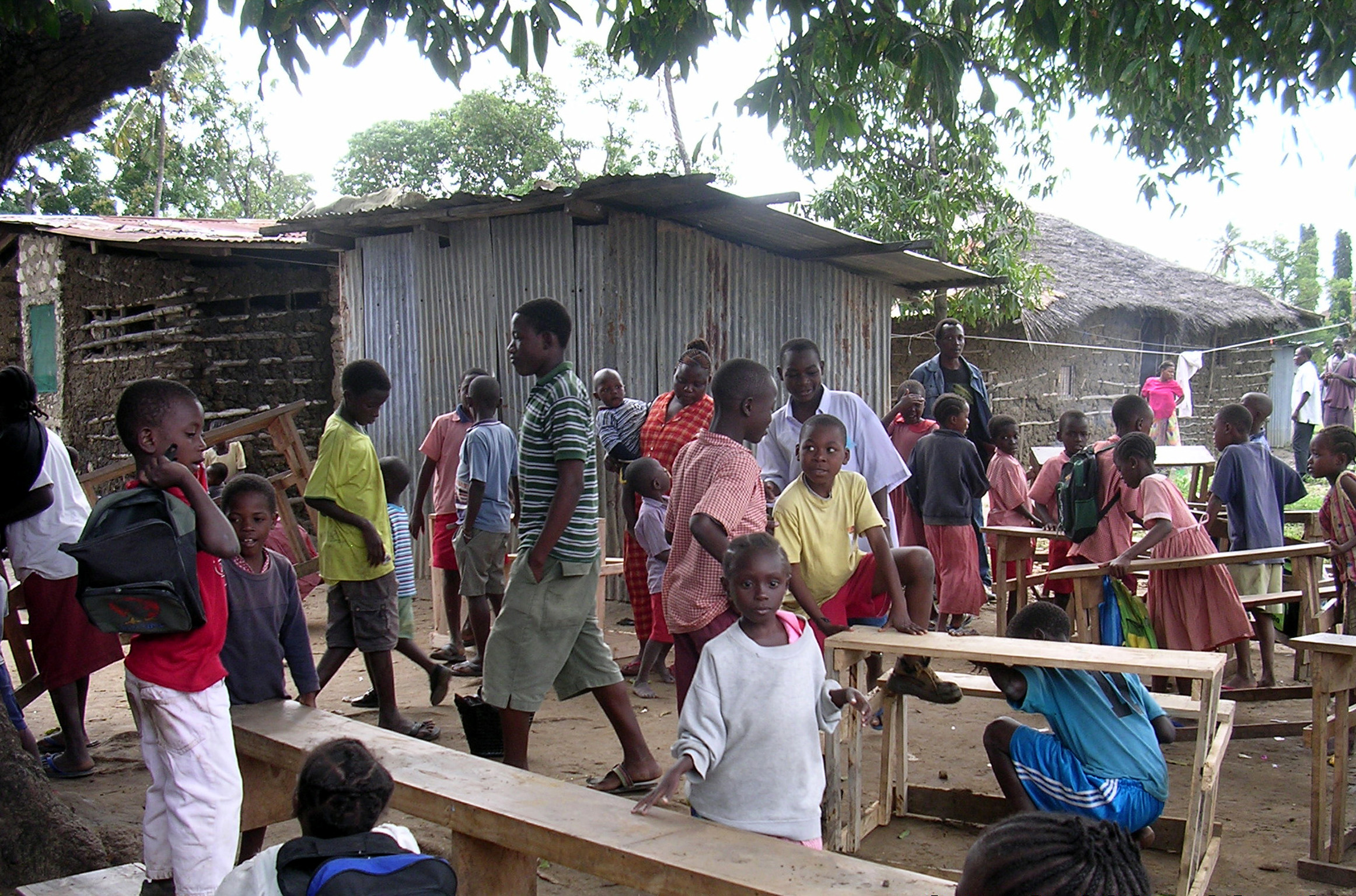 Enthusiastic clapping rose like a sudden wind. Pastor then dismissed the children to their studies and drew Madame Margaret and the other teachers into a circle around the official.
With patient formality, she explained: the tests were here, ready to be left in our care, but each grade level carried a fee—around one thousand shillings. In sum: nearly $150. Pastor argued that it was unjust for a school formed to serve orphans to be charged for an exam the government itself required. His tone was firm, at times walking away in silent reproach, only to return with renewed conviction.
I stood apart, weighing my role. There is an art to knowing when to keep silent and when to step in—a delicate listening for the Spirit’s nudge. Finally, I approached Pastor quietly, offering to pay the amount. His response came with a wry scowl: “I am certain she has inflated the cost. Let me continue.”
Hours passed the way the sun arcs slowly, changing the shape of the shade beneath the mango tree. Eventually, the children came out for play, and the teachers reassembled for the morning meeting—Pastor still pacing, his hands clasped behind his back, tapping a stick lightly against his leg, the official still settled beneath the branches, the envelopes perfectly stacked in her lap.
When the second session began, Pastor found me. “She has found a comfortable place to spend her day,”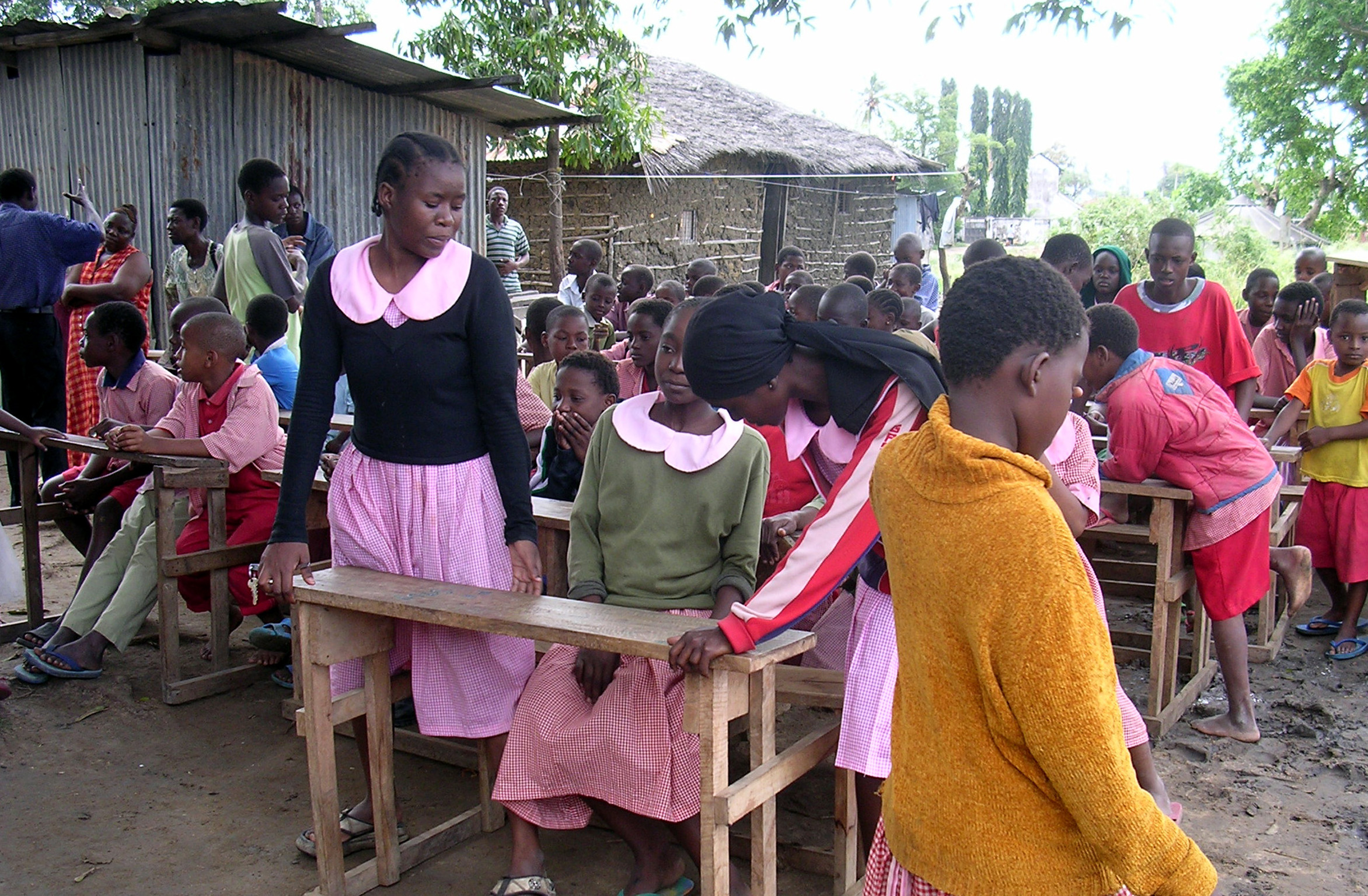 he remarked. I smiled. “Comfortable? Perhaps. Or simply the only shady spot to rest.”
This time, he asked me to speak to her directly. I walked her to the end of the path, handed her the payment, and returned with the tests tucked neatly under my arm.
Pastor took them from me carefully. “Sometimes,” he said, “hard rock is worn down by soft water.”
I smiled as I wondered which of us, in his mind, was which.
Continue to A Lesson in Extremes.
 In My Words