Morning broke under a grey sky, its steady drizzle stitching the air together as I made our way down Moi Avenue toward the matatu stand. The rain softened the world, turning the walk into a slippery pilgrimage and the ride to Bamburi into a small steam bath. As is the custom on these early trips, the matatu welcomed a stream of market-goers from Bombolulu—shoppers returning with tall sacks of yams, corn, and charcoal. The weight of their purchase bowed their backs, and yet they managed them with practiced grace, stacking the sacks on their laps to avoid paying for a second seat.
I was grateful for a window seat, for the breeze that slipped through and dried my shoulders, carrying with it the mingled scents of rain, earth, and smoke. On mornings like this, the charcoal fire’s haze clings low to the ground, and the rain awakens the sweet decay from the rubbish lining the roadside, a fragrance that somehow speaks both of hardship and of life continuing.
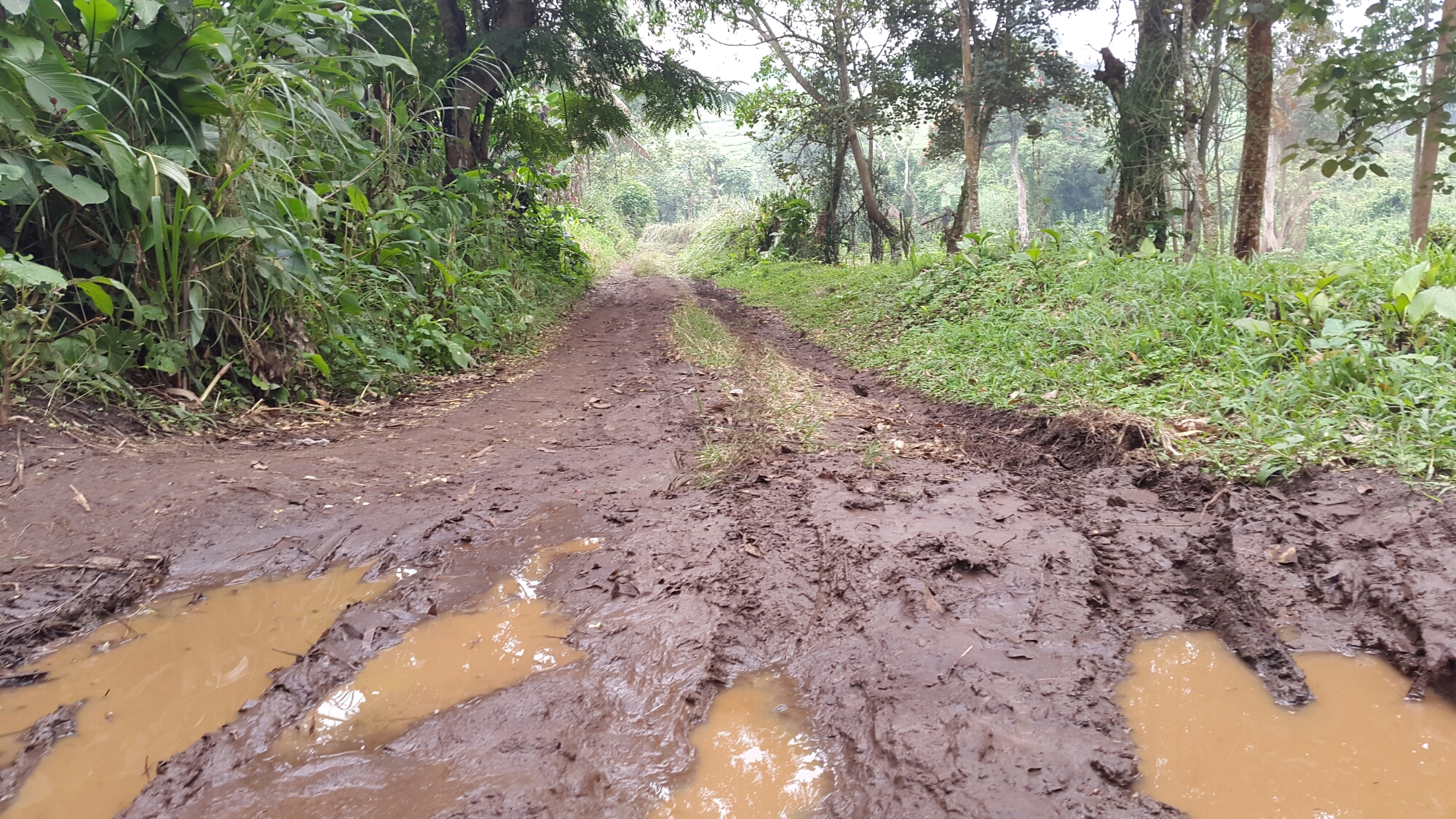
By the time the matatu let me off, the final stretch to Restoration was a puddled maze. In my early weeks here, I would tiptoe this path, measuring each step as though it were a careful equation, sometimes retreating to find a route of lesser mud. That hesitation has since faded—washed away with the rains—though one particular morning made sure of it.
The rain had been unrelenting then, turning the sandy clay beneath my feet into shifting ground. The path had become a ribbon of running water. As usual, I clung to the higher ridge beside the tall grass, judging each foothold with exaggerated care. Then came that betraying step—the one that crumbled under me, plunging my sneaker and calf deep into clay’s cold grip.
For a moment, I stood frozen, one leg precariously balanced on higher ground, the other sinking further with each breath. The clay held me fast. To step in with my free foot meant certain imprisonment for both. My choices were narrow. I lifted my backpack from my shoulders, tucked the water bottle safely inside, and tossed them into the grass beyond.
The plan—such as it was—involved a graceful lean toward freedom. Instead, my balance betrayed me, sending me bottom-first into the puddle. Physics did its work: the muddy water displaced by my fall leapt upward, then rained back down, baptizing hair, glasses, and shoulders. The mercy in it was instant—it freed my trapped foot. I pulled it free, sneaker squelching in protest, and stood again, laughing at my own inelegance.
There was nothing left but to gather my things, wipe what could be wiped with the corner of my bandanna, and carry on.
The reception at the orphanage was immediate and exuberant. The children’s laughter spilled over itself until Pastor James doubled in half, hands planted on his knees in surrender. Madame Margaret—ever a quiet portrait of dignity—burst into such a fit of mirth that she ushered a child from his seat and claimed it for her own recovery.
I gave them the performance they craved, twirling in place so they could see the morning’s handiwork in its full glory. And as I spun, I realized something—it was not simply that I had conquered my fear of mud, but that somewhere between rain and clay, I had been made lighter. The mess on my clothes did not weigh me down. I carried instead the strange, sacred joy of being part of this place, learning to walk forward without retreat, no matter how deep the puddle.
Continue on to The Water and the Rock.
 In My Words